Taho: A Taste of Filipino Life, Tradition, and Community

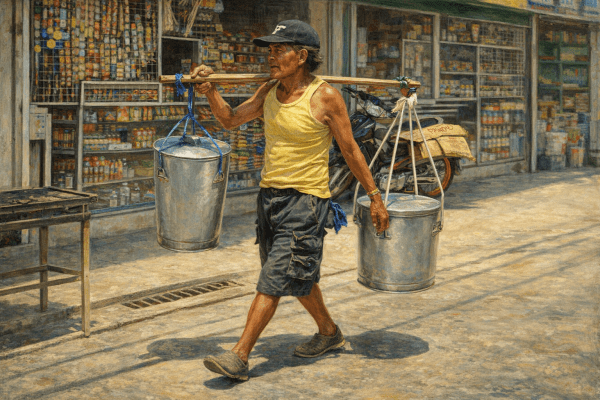
If you walk through a Filipino neighborhood early in the morning, you will hear a familiar call echoing through the streets: “Tahooooo!” It is the sound of a magtataho — a traditional vendor — carrying two stainless pails on a wooden yoke across his shoulders. Inside those pails is one of the most beloved comfort foods in the Philippines: taho.

For many Filipinos, taho is more than a snack. It is a symbol of childhood, community, and the simple joys of everyday life. For our ministry among Filipinos and Aetas, it is also a reminder of how God meets people in ordinary places — in streets, homes, and shared moments of kindness.


What Exactly Is Taho?

Taho is a warm, sweet, soft drink made from three simple ingredients:

  • Silken tofu
    – soft, warm, and freshly scooped
  • Arnibal
    – a syrup made from brown sugar and sometimes vanilla
  • Sago pearls
    – small, chewy starch balls similar to tapioca

The vendor mixes these ingredients right in front of you, creating a comforting cup that is both nourishing and nostalgic.


A Tradition That Goes Back Generations

Taho has deep roots in Filipino culture. Its origins trace back to Chinese influence, especially the tradition of warm soy pudding. Over time, Filipinos made it their own — adding brown sugar syrup, sago pearls, and the unique way of selling it.

The Magtataho: A Cultural Icon

The magtataho is instantly recognizable:

  • A wooden yoke balanced across the shoulders
  • Two stainless steel pails — one for tofu, one for syrup and sago
  • A loud, friendly call that wakes up the neighborhood

Children run out of their homes with coins in hand. Parents buy cups for their kids. Workers grab a quick breakfast before heading to their jobs. In many communities, the taho vendor is a daily visitor — almost like a neighbor.

This simple ritual shows something beautiful about Filipino life: community happens in small, shared moments.


Taho in Filipino Daily Life

Taho is usually sold in the early morning, when the air is cool and the streets are quiet. It is part of the rhythm of Filipino mornings — like the smell of rice cooking or the sound of roosters crowing.

For many Filipinos living abroad, taho is one of the foods they miss the most. It reminds them of home, family, and childhood.

For Aeta communities, taho vendors are also a familiar sight in towns and markets. The drink is affordable, filling, and easy to enjoy — a small treat that brings joy to children and adults alike.


Nutritional Value: Simple but Nourishing

Taho is not just comforting — it also has real nutritional benefits.

1. Silken Tofu (the main ingredient)

  • Good source of plant protein
  • Contains calcium, iron, and potassium
  • Gentle on the stomach
  • Heart‑friendly soy isoflavones

2. Arnibal (brown sugar syrup)

  • Provides quick energy
  • Can be reduced for those watching sugar intake

3. Sago Pearls

  • Adds carbohydrates for energy
  • Light and easy to digest

Compared to many street foods, taho is actually one of the healthier Filipino snacks — warm, soft, and nourishing.


Why Taho Matters for Our Ministry

When we serve in Filipino and Aeta communities, we are not only sharing the Gospel — we are entering into the daily life of the people. Understanding simple traditions like taho helps us:

  • Build relationships
  • Appreciate local culture
  • Connect with families in familiar ways
  • Show respect for the rhythms of Filipino life

Jesus often met people in ordinary places — at wells, in homes, on the road. In the same way, ministry in the Philippines often begins with simple conversations, shared food, and everyday kindness.

Sometimes, a cup of taho opens the door to a deeper friendship.


A Taste of the Philippines for American Readers

If you have never tried taho, imagine:

  • The warmth of fresh tofu
  • The sweetness of brown sugar
  • The soft chew of sago
  • The joy of hearing a vendor call out in the morning

It is a small picture of Filipino hospitality — simple, warm, and full of heart.

And for us, it is also a reminder that God is present in the ordinary moments of life. He works through shared food, shared stories, and shared community.


Closing Reflection

Taho may be a humble street drink, but it carries the story of a people — their mornings, their memories, their neighborhoods, and their way of life. As we continue our Christian work among Filipinos and Aetas, we celebrate these traditions because they help us understand the hearts of the people we serve.

Sometimes, ministry begins with something as simple as a warm cup of taho.
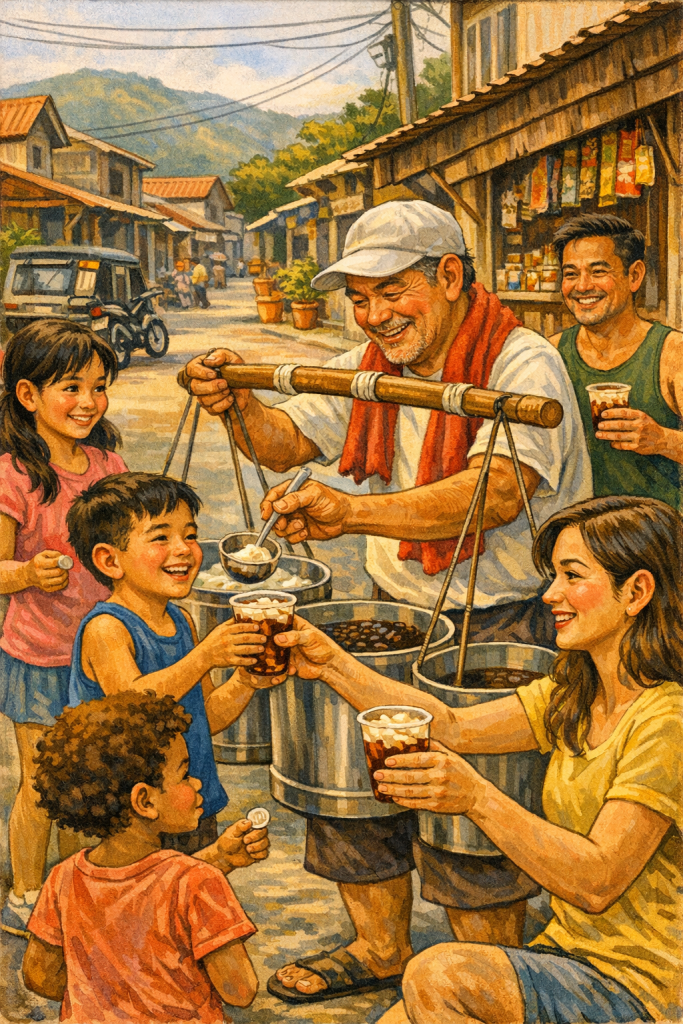

Filipino Street Vendor
Tahoooooooo!

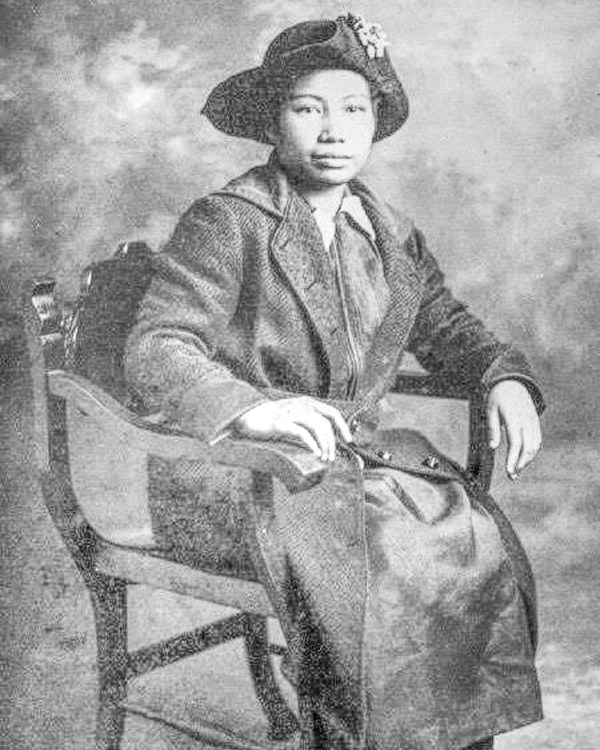
María Orosa: The Chemist Who Fed a Nation in Crisis

History often remembers the generals and politicians of wartime, but some of the most profound acts of courage come from those who simply do the work in front of them. During World War II in the Philippines, one of the most vital figures of the resistance was not a soldier, but a food chemist named María Orosa.

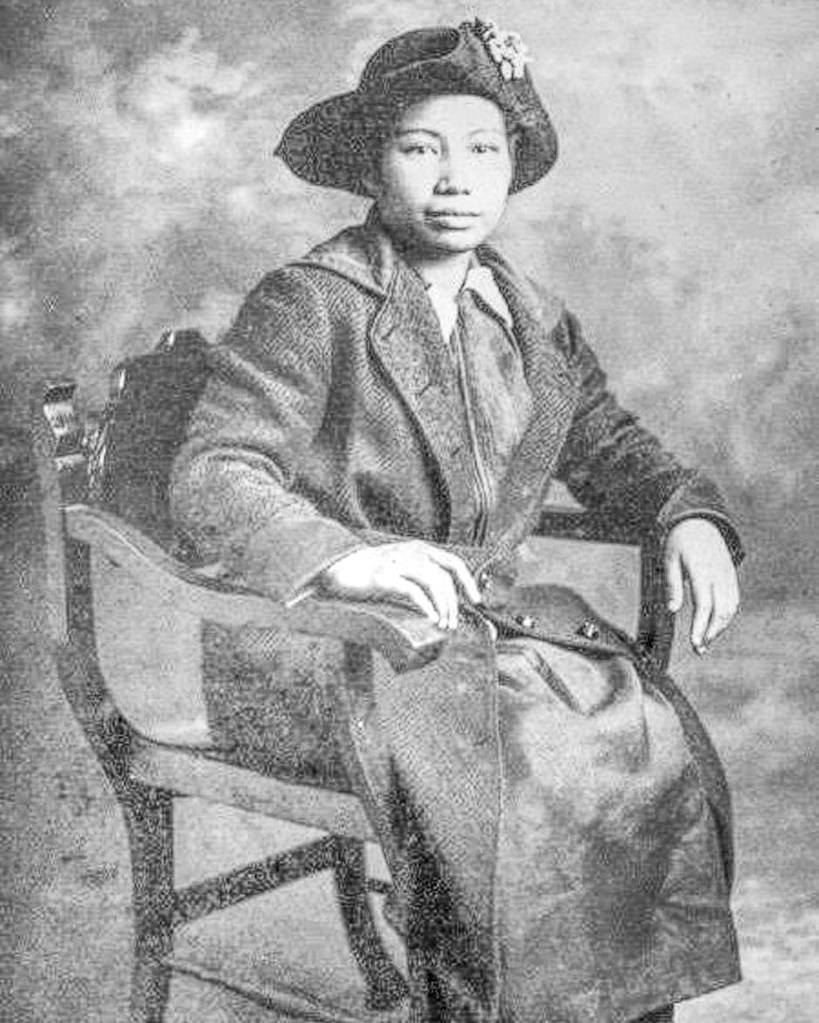
María Orosa The Chemist Who Fed a Nation in Crisis

Brilliance Over Prejudice

Born in 1892 in Taal, Batangas, Orosa possessed a brilliant scientific mind. She traveled to the United States in 1916 as a government scholar to study at the University of Washington. During the 1910s and 1920s, the American academic and professional landscape was deeply challenging for women, and even more so for a woman of color. The field of chemistry was heavily dominated by men, and a Filipina immigrant faced systemic barriers at every turn.

Yet, Orosa’s talent was undeniable. She earned degrees in pharmaceutical chemistry and food chemistry, and her expertise became so highly regarded that the Washington state government offered her a position as an assistant chemist. In an era of intense prejudice, she secured a lucrative, prestigious job that many would have envied.

What makes her story extraordinary is that she walked away from it. She did not return to the Philippines because she was overlooked in America; she returned because she rejected the comfort and status of that success. She deliberately chose to bring her skills back to a less-equipped laboratory in Manila because she believed her knowledge belonged to her country.

A Focus on Self-Reliance

In the 1920s and 30s, the Philippines was heavily dependent on imported canned goods, despite its abundant agricultural resources. Orosa set to work changing this. As the head of the plant utilization division at the Bureau of Plant Industry, she developed over 700 recipes, preservation methods, and canning techniques using native ingredients.

She is perhaps most widely known today for inventing banana ketchup—a clever, locally sourced alternative to tomato ketchup. But her most significant contributions were born out of a desire to eradicate malnutrition. She created two vital nutritional supplements:

  • Soyalac: A highly nutritious, protein-rich liquid preparation made from soybeans.
  • Darak: A vitamin-rich cookie made from rice bran (the outer coating of the rice grain usually discarded during milling). Darak was packed with Vitamin B1 and was specifically designed to prevent and cure beriberi, a deadly disease caused by thiamine deficiency.

The War Years

When the Japanese invaded the Philippines in 1941, Orosa’s scientific work took on a new, life-saving urgency. Rather than fleeing or keeping her head down, she joined Marking’s Guerrillas, a local resistance group, holding the rank of captain.

Her weapon was her laboratory. As the occupation dragged on and food supplies dwindled, thousands of Filipino and American prisoners of war were held in camps like the one at the University of Santo Tomas. Starvation and disease were rampant. Working under the radar of the occupying forces, Orosa organized a system to smuggle her Darak cookies and Soyalac into the internment camps. Hidden inside hollowed-out bamboo tubes, these “miracle foods” were covertly passed to prisoners.

Survivors of the camps later testified that Orosa’s smuggled nutrients were the only thing that kept thousands of people from dying of starvation and beriberi.

A Tragic End, A Lasting Legacy

In February 1945, the Battle of Manila began as American and Filipino forces fought to retake the city from the Japanese. The fighting was brutal, and the city was subjected to devastating artillery fire.

Friends and family pleaded with Orosa to evacuate the Malate district where she lived and worked. She refused. She felt a deep responsibility to her staff and her country, reportedly telling her loved ones, “I cannot abandon my work.”

On February 13, 1945, while at work in the Bureau of Plant Industry, Orosa was hit by shrapnel from an American artillery shell. She was taken to the nearby Malate Remedios Hospital, a makeshift facility serving the wounded. In a tragic turn of events, the hospital itself was struck by a second bombing raid later that same day. Orosa was killed instantly at the age of 51.

María Orosa’s life was defined by practical service. She did not seek the spotlight, but simply used the tools and knowledge she had to address the immediate needs of her fellow citizens. In a time of profound darkness, she used her work to keep thousands alive, demonstrating that true heroism often looks like steady, quiet dedication to the welfare of others.

Blog at WordPress.com.

Up ↑