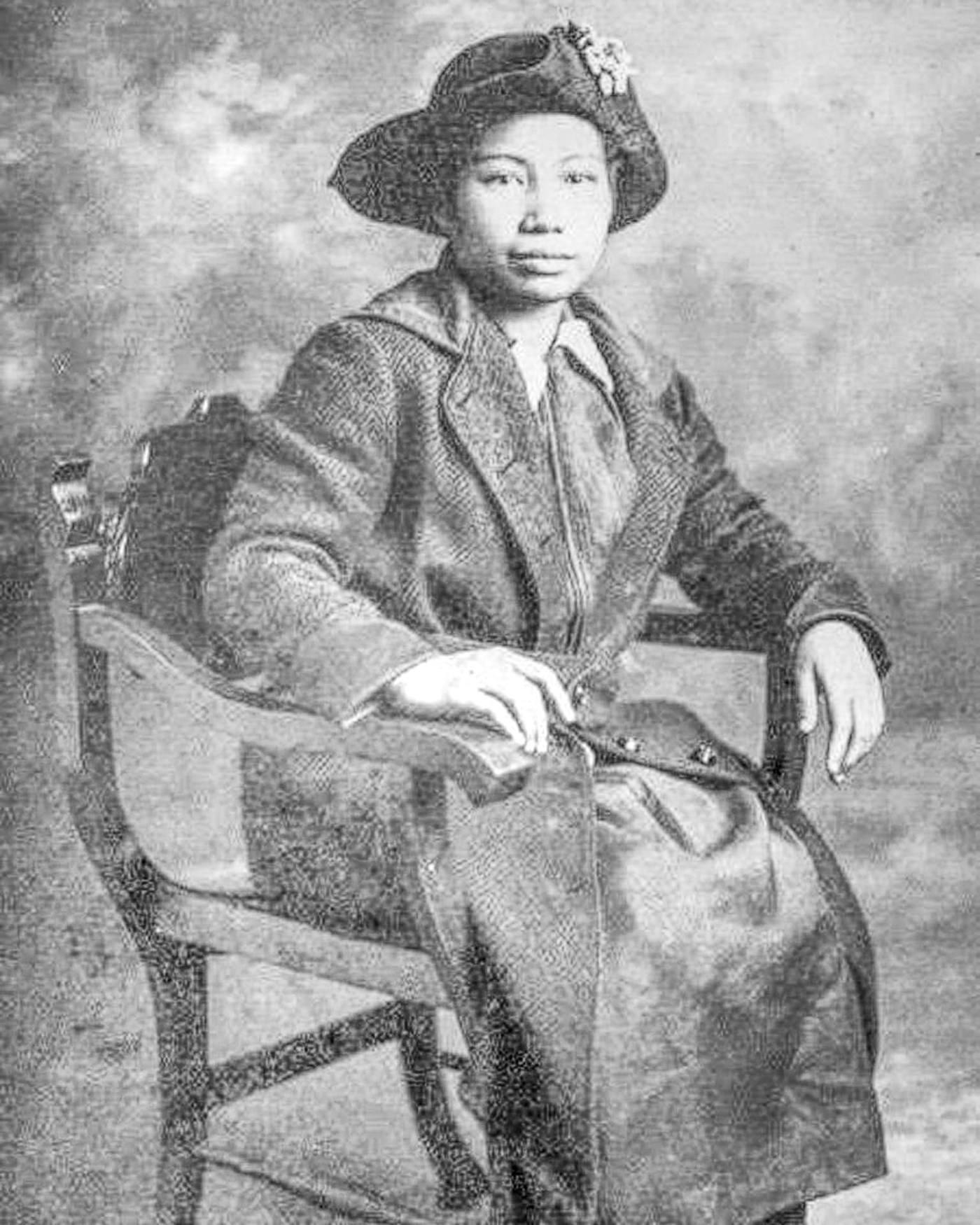
History often remembers the generals and politicians of wartime, but some of the most profound acts of courage come from those who simply do the work in front of them. During World War II in the Philippines, one of the most vital figures of the resistance was not a soldier, but a food chemist named María Orosa.
Brilliance Over Prejudice
Born in 1892 in Taal, Batangas, Orosa possessed a brilliant scientific mind. She traveled to the United States in 1916 as a government scholar to study at the University of Washington. During the 1910s and 1920s, the American academic and professional landscape was deeply challenging for women, and even more so for a woman of color. The field of chemistry was heavily dominated by men, and a Filipina immigrant faced systemic barriers at every turn.
Yet, Orosa’s talent was undeniable. She earned degrees in pharmaceutical chemistry and food chemistry, and her expertise became so highly regarded that the Washington state government offered her a position as an assistant chemist. In an era of intense prejudice, she secured a lucrative, prestigious job that many would have envied.
What makes her story extraordinary is that she walked away from it. She did not return to the Philippines because she was overlooked in America; she returned because she rejected the comfort and status of that success. She deliberately chose to bring her skills back to a less-equipped laboratory in Manila because she believed her knowledge belonged to her country.
A Focus on Self-Reliance
In the 1920s and 30s, the Philippines was heavily dependent on imported canned goods, despite its abundant agricultural resources. Orosa set to work changing this. As the head of the plant utilization division at the Bureau of Plant Industry, she developed over 700 recipes, preservation methods, and canning techniques using native ingredients.
She is perhaps most widely known today for inventing banana ketchup—a clever, locally sourced alternative to tomato ketchup. But her most significant contributions were born out of a desire to eradicate malnutrition. She created two vital nutritional supplements:
- Soyalac: A highly nutritious, protein-rich liquid preparation made from soybeans.
- Darak: A vitamin-rich cookie made from rice bran (the outer coating of the rice grain usually discarded during milling). Darak was packed with Vitamin B1 and was specifically designed to prevent and cure beriberi, a deadly disease caused by thiamine deficiency.
The War Years
When the Japanese invaded the Philippines in 1941, Orosa’s scientific work took on a new, life-saving urgency. Rather than fleeing or keeping her head down, she joined Marking’s Guerrillas, a local resistance group, holding the rank of captain.
Her weapon was her laboratory. As the occupation dragged on and food supplies dwindled, thousands of Filipino and American prisoners of war were held in camps like the one at the University of Santo Tomas. Starvation and disease were rampant. Working under the radar of the occupying forces, Orosa organized a system to smuggle her Darak cookies and Soyalac into the internment camps. Hidden inside hollowed-out bamboo tubes, these “miracle foods” were covertly passed to prisoners.
Survivors of the camps later testified that Orosa’s smuggled nutrients were the only thing that kept thousands of people from dying of starvation and beriberi.
A Tragic End, A Lasting Legacy
In February 1945, the Battle of Manila began as American and Filipino forces fought to retake the city from the Japanese. The fighting was brutal, and the city was subjected to devastating artillery fire.
Friends and family pleaded with Orosa to evacuate the Malate district where she lived and worked. She refused. She felt a deep responsibility to her staff and her country, reportedly telling her loved ones, “I cannot abandon my work.”
On February 13, 1945, while at work in the Bureau of Plant Industry, Orosa was hit by shrapnel from an American artillery shell. She was taken to the nearby Malate Remedios Hospital, a makeshift facility serving the wounded. In a tragic turn of events, the hospital itself was struck by a second bombing raid later that same day. Orosa was killed instantly at the age of 51.
María Orosa’s life was defined by practical service. She did not seek the spotlight, but simply used the tools and knowledge she had to address the immediate needs of her fellow citizens. In a time of profound darkness, she used her work to keep thousands alive, demonstrating that true heroism often looks like steady, quiet dedication to the welfare of others.
 Tom & Nancy Cook
Leave a comment